Asset Finance Guides
Vehicle, equipment, and machinery finance explained — compare deposits, repayments, ownership, and cash-flow impact before you fund your next asset.
Asset finance explained
Use these guides to understand how vehicle, equipment, and machinery finance can affect deposits, monthly repayments, ownership, and cash flow — and which structure fits your business.
What to compare before you finance an asset
Finance type
Hire purchase, finance lease, and operating lease each treat ownership, your balance sheet, and end-of-term options differently.
Deposit & monthly cost
A larger deposit lowers monthly payments — weigh the upfront outlay against the impact on cash flow.
Ownership at the end
Decide whether you want to own the asset outright, hand it back, or upgrade when the term ends.
Asset lifespan vs term
Match the agreement length to how long the asset will stay useful and productive.
VAT & tax treatment
Check what maintenance is included and how VAT and tax relief apply to your chosen finance type.
Latest guides

Medical and Dental Equipment Finance UK: Funding High-Cost Practice Assets
Medical and dental equipment finance lets a practice spread the cost of chairs, imaging, sterilisation equipment and fit-outs through hire purchase, a finance lease or contract hire instead of paying upfront. Sources include suppliers' finance teams such as Henry Schein's, professional lenders such as Wesleyan, and brokers.

Operating Lease vs Finance Lease: Ownership, Accounting and Tax
A finance lease passes most of the risks and rewards of owning an asset to your business; an operating lease leaves them with the leasing company.

Asset Finance Brokers UK: Banks, Specialists and Brokers Compared
Asset finance brokers match businesses with lenders that fund vehicles, plant and equipment, comparing hire purchase, finance lease and other structures across a panel of providers instead of a single balance sheet. Banks suit businesses with existing banking relationships and straightforward credit profiles.

Business Car Finance: Buying or Leasing a Car Through a Limited Company
Business car finance lets a limited company buy or lease a car through hire purchase, a finance lease, or business contract hire instead of the director funding it personally.

Business Van Finance: Hire Purchase, Lease and Contract Hire Compared
Business van finance lets a sole trader, limited company or new business spread the cost of a van over time instead of paying cash upfront.
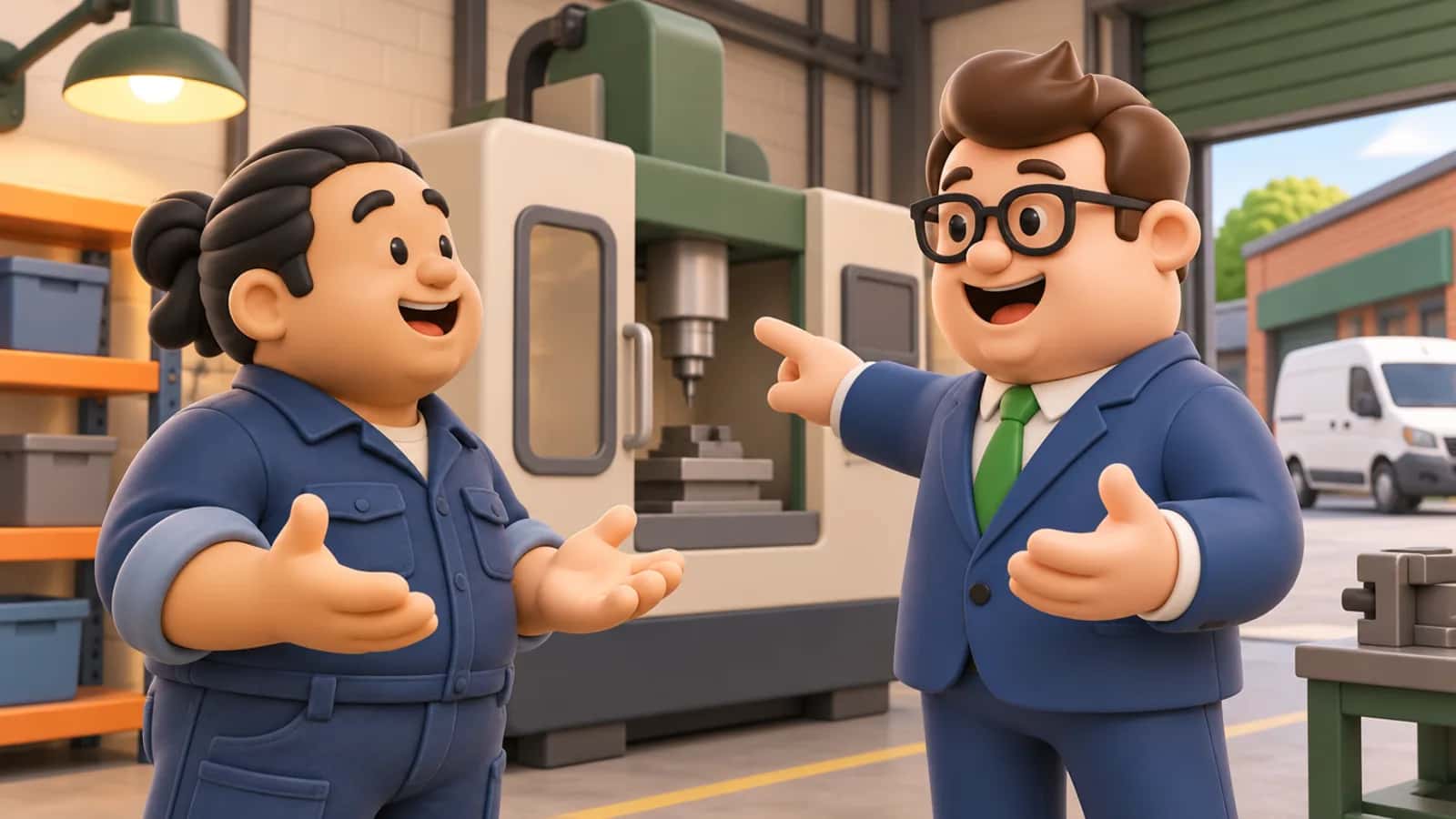
Used Equipment Finance UK: Can You Finance Second-Hand Machinery?
Yes, you can finance second-hand machinery in the UK through hire purchase and finance lease agreements from specialist lenders. Most asset finance providers actively support used equipment purchases with terms from 2-7 years, though deposits may be higher and criteria stricter than new equipment deals.

Asset Finance for Cash Flow: When Equipment Funding Protects Working Capital
Asset finance preserves working capital by spreading equipment costs over time while the asset generates revenue immediately. Instead of paying £50,000 upfront for a digger, you pay monthly instalments while the machine earns from day one, keeping cash available for wages, materials, and unexpected costs.

Agricultural Asset Finance UK: Tractors - Fast Funding for Farm Equipment
Tractor finance in the UK ranges from £2,500 to several million pounds through hire purchase, finance lease, and contract hire options, with specialist lenders offering seasonal payment structures and approval decisions within 24-48 hours. Agricultural asset finance preserves working capital while enabling immediate equipment acquisition.

Bad Credit Asset Finance UK: Can You Fund Equipment After Defaults or CCJs?
Yes, you can secure asset finance in the UK even with defaults or CCJs on your credit file. Specialist lenders focus on the asset's value, your business cash flow, and current affordability rather than past credit events.
Asset Finance questions
The important details before you check eligibility.
Can asset finance help preserve cash flow?
Asset finance can spread the cost of vehicles, equipment, or machinery over time, which may help a business avoid paying the full purchase price upfront.
What affects the cost of asset finance?
The asset type, deposit, term length, lender criteria, business trading history, and whether ownership transfers at the end can all affect the total cost.
What types of assets can be financed?
Vehicles, plant and machinery, equipment, and technology are commonly financed. Lenders may treat new and used assets differently.
Do I own the asset at the end of the term?
It depends on the agreement. Hire purchase usually transfers ownership at the end, while leases may offer return, upgrade, or purchase options.
Ready when you are
Explore asset finance options
Answer a few questions to see whether asset finance could fit your business plans. It only takes about 2 minutes, with no hard credit check to start.